Voice and Choice in Inquiry-Based Learning

NOTE: There is no recording for this webinar.
Voice and Choice in Inquiry-Based Learning

inquirED


Student voice and choice doesn’t mean you relinquish control of your classroom, but that your students’ interests, ideas, and opinions help to shape their experience.
Key Takeaways
Voice and Choice in an Inquiry-Based Classroom
Giving students voice and choice has many benefits, such as:
- Promoting ownership of their work and the classroom environment.
- Creating resilience and grit in their attitudes toward work.
- Deepening learning as students make connections to previous knowledge and skills.
When incorporating voice and choice, remember:
- Too much choice can be overwhelming, so scaffold independence as the year progresses.
- Voice and choice will look different depending on your students’ inquiry experience level.
- Giving students options when performing a task, allows you to shape their experience AND gives them agency.
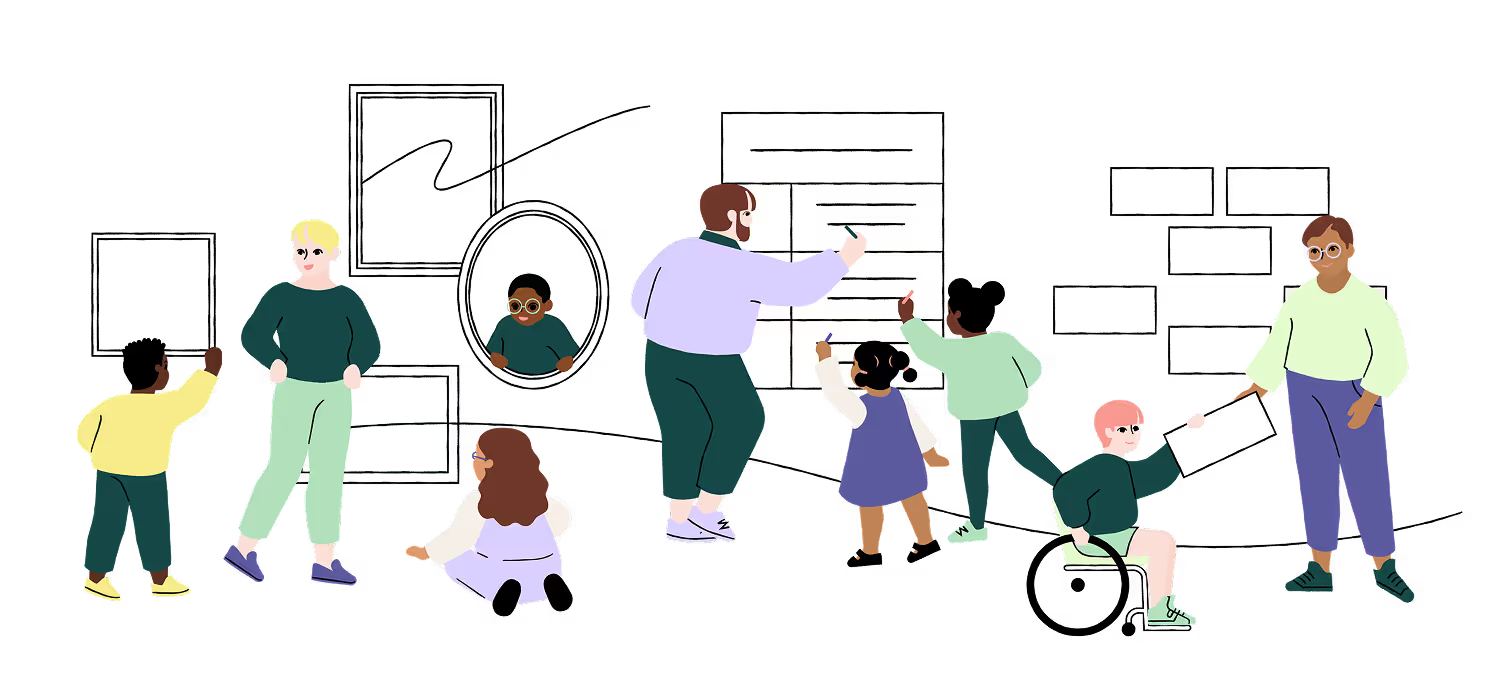
Remember, too, that voice is different from choice. You can always provide opportunities and outlets for students’ voices to be heard - even when their choices are limited. Download an 11x17 poster like the image above to remind students that their voices matter. To find out more about how inquirED supports voice and choice in elementary social studies visit: www.inquired.org/inquiry-based-social studies/elementary-curriculum
Resources
Keep reading
Start your journey
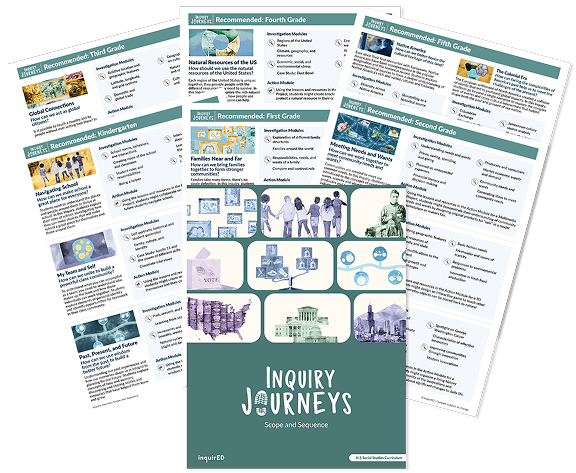
Inquiry Journeys, inquirED's K-5 social studies curriculum, engages students in inquiry-based learning, strengthens literacy skills, and supports teachers every step of the way.

inquirED supports teachers with high-quality instructional materials that make joyful, rigorous, and transferable learning possible for every student. Our pre-K/TK and elementary curriculum offerings include Great First Eight (Pre-K/TK), Inkwell (K–2 integrated ELA and social studies), and Inquiry Journeys (K–5 social studies). Together, they help students develop the deeper knowledge, comprehension, literacy, and inquiry skills they need to grow as readers, writers, thinkers, and participants in a thriving democracy.